
EVENTS · LION STREET TAC 2026
Notes from the 15th Annual Lion Street Trusted Advisors Conference: GTC's Pre-Conference Session in Las Vegas
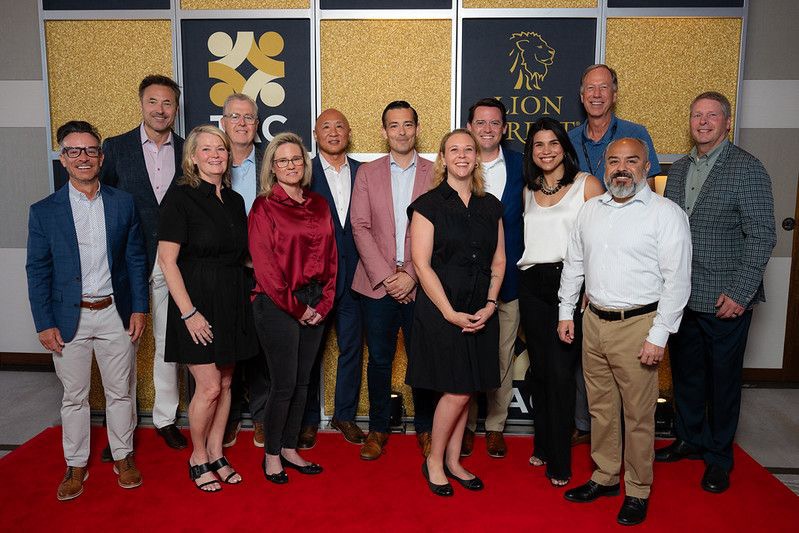
Guardian Tax Consultants® hosted an invitation-only advisory session for thirty to forty senior advisors, firm principals, and tax attorneys ahead of the Lion Street Trusted Advisors Conference at the Waldorf Astoria Las Vegas. A read from the room on MSO architecture, basis planning, PPLI, NIL, data centers, and enforcement.
By Alex Jones, EA, CFP®, ChFC®, CLU®, CEPA®, Founder & CEO, Guardian Tax Consultants® · June 20, 2026 · 9 min read
The 15th Annual Lion Street Trusted Advisors Conference ran from June 6 through June 9, 2026 at the Waldorf Astoria Las Vegas. The conference itself is the work of Lion Street and its advanced planning team. The day before the conference opened, Guardian Tax Consultants® hosted a separate, invitation-only pre-conference advisory session for approximately thirty to forty senior advisors, firm principals, and tax attorneys engaged with or evaluating the Management Services Organization structuring platform. Lunch began at 12:45 PM. The advisory sessions ran from 1:00 to 4:00 PM. The room was Top-25 and Top-50 firm leadership, including practitioners from Baker Tilly, Frazier & Deeter, and MB Group. The notes that follow are an observational read from the host's seat, not a transcript.
Why this audience, why this session
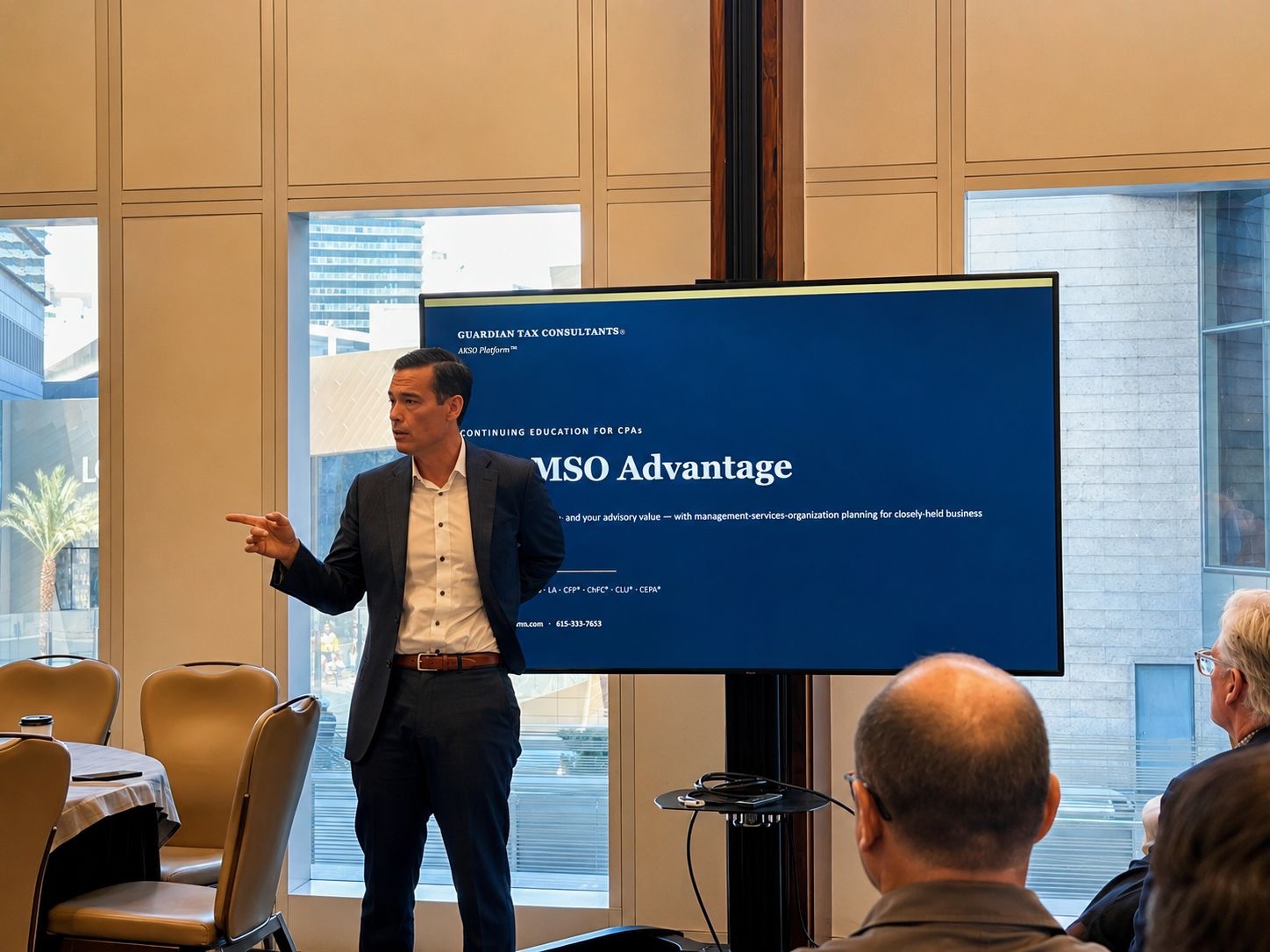
The pre-conference session was designed for the seat the firm principal occupies, not for the advisor who has never seen the structure before. The attendees are running advisory practices that either coordinate MSO engagements directly for their clients or sit one seat away from them on the diligence side of a private-equity transaction. The agenda was sequenced accordingly. The opening hour addressed the MSO lifecycle — design, governance, PE integration, and transition capital efficiency. The remainder of the afternoon stepped through the planning categories that most often appear alongside the MSO when the client is a closely held business owner or a high-net-worth family: basis planning, PPLI for the family-office and RIA channel, NIL contracts for the rising sports-and-entertainment segment, data-center exposure inside an alternative allocation, and the enforcement landscape around conservation easements and private land donation. The brief to each presenter was the same: speak to the practitioner audience as you would to a partner, not to a prospect.
MSO strategy: design, governance, and the architecture conversation
The MSO segment I led ran under the title "MSO Strategy — MSO Design, Annual Governance & Integrated Wealth Architecture for Closely Held Businesses and PE Transactions." The framing carried through the full afternoon, which made the rest of the agenda feel less like a survey and more like a coordinated read on the structure's relationship to its adjacent planning categories. The substantive points addressed C-Corp design, Internal Revenue Code §482 documentation discipline, the operating-company deduction under §162, the personal-service-corporation reallocation authority in §269A, the accumulated-earnings posture under §531, and the qualified-small-business-stock conversation under §1202. The platform context I described to the room is one this audience already knows in outline:
The partner-level questions were where the session earned its space on the agenda. The room wanted to talk about related-party fee substantiation in the file-and-documentation sense, not in the conceptual sense. They wanted to talk about how the structure sits inside a private-equity transaction when the operating company is being recapitalized rather than sold. They wanted to talk about how the MSO interacts with the §1202 conversation when the operating-company shareholders have a meaningful holding period ahead of them. None of those questions has a single answer. All of them are easier to address when the audience already knows what the structure is.
The room did not need an introduction to the structure. They needed a working session on the file behind it.
Observation · GTC™ pre-conference session · June 6, 2026
The adjacent planning categories on the afternoon agenda
Michael DiBernardo, CPA, MST, of Allmon, DiBernardo & Associates opened the basis planning segment. Mike's practice applies basis optimization to high-net-worth and business-owner fact patterns, and the segment focused on the practical mechanics that protect and grow wealth in advance of an exit event. The point that landed most cleanly with the room was the relationship between basis discipline carried out years in advance and the planning posture that becomes available at the eventual transaction. Basis planning, framed correctly, is not a one-time exercise. It is the work that compounds, when it is documented.
Josh Horowitz, CPA, Tax Partner in Withum's New York City office and team leader of the firm's Professional Sports and Esports Services practices, presented on the tax and planning implications of Name, Image, and Likeness contracts. The NIL segment is one the firm-principal audience increasingly inherits through their client base, and Josh framed the practitioner exposure with discipline: entity selection for NIL income, quarterly estimated-tax obligations, multi-state filing patterns, agent-fee deductibility, and long-term wealth planning for clients whose peak earning years may be limited. Josh has been published in both The Tax Adviser and Slam Magazine, and the credibility transfers in the room.
Ben Rainey, Partner in WealthPoint's insurance advisory services and head of the firm's Private Placement Life Insurance practice, addressed the PPLI conversation. The audience for PPLI has historically run skeptical, often informed by prior experiences with traditional life-insurance product rather than with the institutional wrapper. Ben's framing centered the three elements that move skeptics into informed evaluators: tax efficiency inside the wrapper, investment flexibility through Separately Managed Accounts that accommodate private credit and alternatives, and integration with estate-liquidity and transfer-planning architecture. The session was designed to educate, not to pitch.
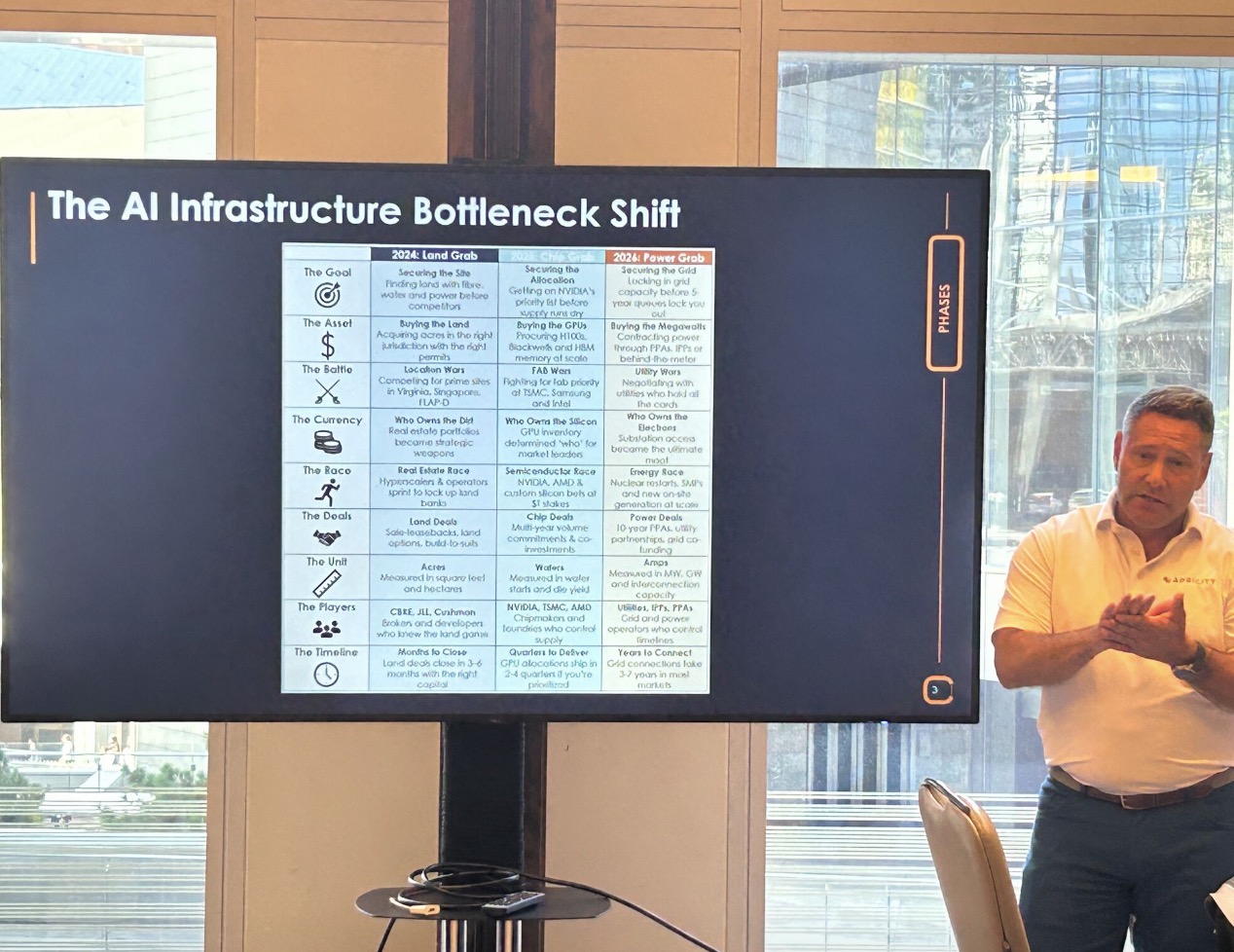
Michael Berry, ChFC®, Principal of Apricity Advisors — a Lion Street member firm based in Mooresville, North Carolina — covered data centers as an alternative asset class. The structural demand drivers Michael described are the ones already in the trade press: AI computing infrastructure, cloud-services expansion, and enterprise data requirements. The segment focused on how qualified-investor vehicles in the sector are structured, what the principal-protection and yield characteristics look like inside a broader alternative allocation, and how advisors should think about position-sizing and diligence when the category is unfamiliar to the client's existing portfolio.
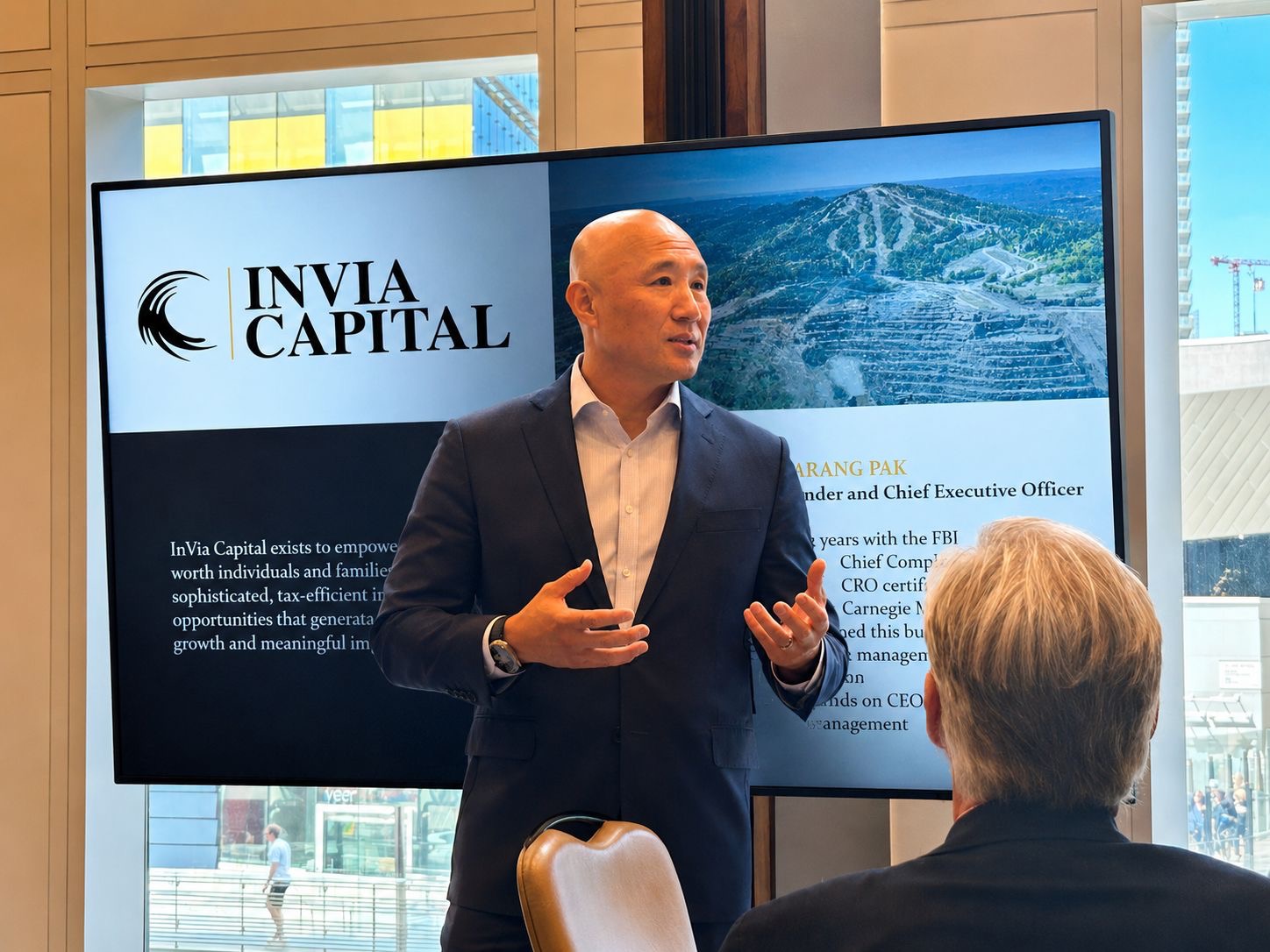
Murang Pak, MBA, CEO and Founder of InVia Capital and a former FBI Assistant Special Agent in Charge with the Atlanta Division, closed the afternoon with a session on IRS enforcement and risk mitigation in private land donation and fee-simple charitable contributions. The session is one the room treats as essential and rarely receives directly from a former federal-enforcement principal. Murang's framing covered the current enforcement landscape, settlement-program terms, active litigation outcomes, and the due-diligence framework an advisor can apply when evaluating exposure inside an existing client situation. The session does not change the regulatory environment, but it changes how prepared a practitioner can be when a client asks a question they did not expect.
The conference week, briefly
The conference itself opened with the Ferrari and supercar track experience at SpeedVegas Motorsports Park on Sunday June 7th — a private buyout of the 1.3-mile circuit fifteen minutes south of the Strip, with professional instruction and coaching across hairpins, double-apex turns, and chicanes. The welcome reception followed at the Waldorf Astoria that evening. The Monday and Tuesday sessions ran under Lion Street's curated roster: Jeffrey Shapiro of Tiber Creek Group on tax legislation and Washington policy; Paul Lee, J.D., LL.M., Chief Tax Strategist of Indivisible Partners, on advanced tax and estate planning; Cathy Carroll of Legacy Onward on family-business succession and governance; Blake Brewer of Endurance and the Legacy Letter Challenge on personal legacy and advisor relationships; Dr. Kevin Elko of Elite Organizations Advisor on high-performance teams and trusted-advisor collaboration; Jeff Lanza of The Lanza Group on cybercrime and AI-driven financial fraud; Dr. Andrew Steele, author of Ageless, on longevity science; and Michael Fontanini, MT, CFP®, TPCP®, AEP®, CLU®, Lion Street's Head of Advanced Planning, on institutional life-insurance solutions for estate and business planning. The Tuesday final session adjourned at 11:00 AM.
After the conference, our team reviewed the published record on where the MSO structure sits in professional-services M&A and closely held planning. Holland & Knight's October 2025 client alert on alternative practice structures in the legal market — structurally adjacent to the MSO conversation in tax — observed that the Management Services Organization has matured from an exotic capital structure into the architecture sponsors and operators are using to capitalize advisory practices while preserving the licensed function. The Lion Street audience does not need the architectural framing introduced. They are increasingly asking, in the post-session conversations, how to bring the same discipline to the closely held family business and PE-integrated transaction work they already coordinate.
Speakers and firms referenced
- Alex Jones, EA, CFP, ChFC, CLU, CEPA — Founder & CEO, Guardian Tax Consultants
- Michael DiBernardo, CPA, MST — Allmon DiBernardo & Associates
- Josh Horowitz, CPA — Withum
- Ben Rainey — WealthPoint
- Michael Berry, ChFC® — Apricity Advisors (Lion Street member firm) · LinkedIn
- Murang Pak, MBA — CEO & Founder, InVia Capital
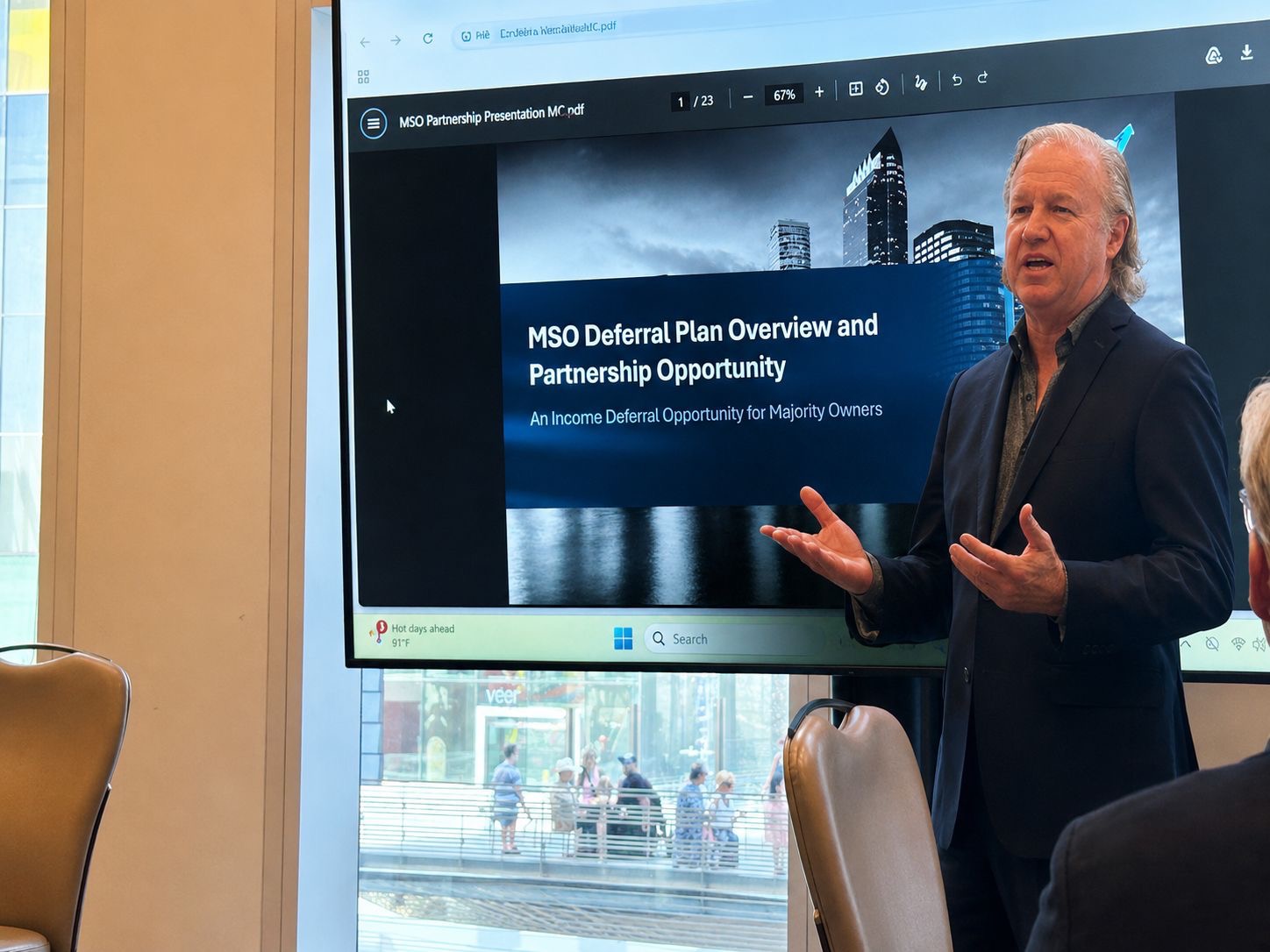
- Todd Mezrah — Founder & CEO, mapbenefits and Mezrah Consulting
- Jeffrey Shapiro — Tiber Creek Group
- Paul Lee, JD, LL.M. — Indivisible Partners
- Cathy Carroll — Legacy Onward
- Blake Brewer — Legacy Letter Challenge
- Dr. Kevin Elko — Performance consultant
- Jeff Lanza — The Lanza Group (retired FBI)
- Dr. Andrew Steele — Author, Ageless
- Michael Fontanini — Lion Street
- Lion Street — Host, Trusted Advisors Conference
From our library
Closing observation
The pre-conference session was, in the end, a working session for a room of practitioners who already know how to read a structure. The substantive value sat in the file-level conversations — substantiation methodology under Treasury Regulation §1.482-9, governance cadence over the life of the structure, and the way the MSO sequences alongside §1202 planning, PPLI integration, and the eventual transaction. Those conversations do not happen well in a general-session setting. They happen well in a curated room where the audience and the presenters share the same vocabulary. That was the room on Saturday June 6th, and it is the reason the format will be repeated. See the rest of our Insights library for the technical briefs that sit underneath the architecture conversation.
Working through a related fact pattern?
For platform partners — independent advisor networks, CPA firms, family offices, and PE platforms — seeking MSO education, CPE programming, or advisor-facing training, GTC™ develops co-branded education and on-site sessions.
Explore Co-Delivery Programming →About GTC: institutional MSO platform serving privately held enterprises across the United States; integrates transfer-pricing defense through BRG, deferred-compensation architecture through Mezrah Consulting, and premium-finance support through Schechter Wealth.